


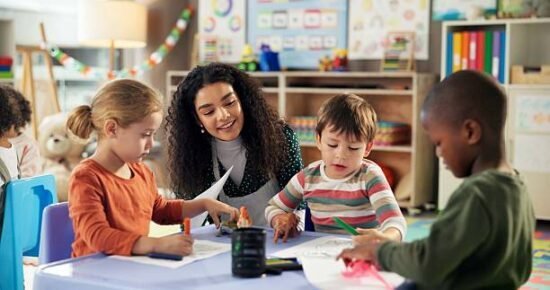
Teaching your child at home during their kindergarten year is one of the most rewarding and meaningful experiences you can offer. This is the year when young minds begin to blossom with curiosity, joy in discovery, and a growing sense of independence.
Homeschooling kindergarten isn’t about perfect lesson plans or rigid expectations. It’s about creating a nurturing environment where your child feels excited to learn, explore, and grow. In this article we will gently guide you through how to build your own kindergarten homeschool curriculum in simple steps that honor both your child’s development and your family’s rhythm of life.
Understand Your Child’s Needs
Every child is unique. Before you begin planning lessons, take time to observe how your child learns best. Some children delight in stories and picture books, while others learn most through movement and hands‑on play. Recognizing these preferences allows you to weave learning into everyday interactions naturally. Setting clear learning goals is also essential. In kindergarten children begin to build foundational literacy, early math understanding, and social‑emotional skills.
It helps to think broadly about both academic and developmental milestones. While direct teaching has its place, much of young children’s growth comes from play, exploration, and real‑world engagement. Encouraging curiosity and allowing time for free play supports deeper learning and reflects principles backed by child development experts.
Choose Core Subjects with Purpose
A well‑rounded kindergarten homeschool curriculum should touch on several key areas. Early literacy is one of the greatest gifts you can offer a young learner. Engaging with letters, letter sounds, and simple words builds confidence with communication and reading. Activities like reading picture books together, tracing letters on a whiteboard, and playing rhyming games strengthen language skills in ways that feel playful rather than forced.
Math fundamentals ensure children become comfortable with numbers and patterns. Counting objects, recognizing simple shapes, and exploring patterns in nature and daily routines help establish a strong foundation. Young children often learn math best when it’s part of everyday life – counting steps, sorting toys, or comparing quantities during snack time.
Science and nature study invite children to wonder about the world around them. Observing insects in the garden, discussing weather changes, or exploring the textures of leaves are meaningful ways to build early scientific thinking.
These experiences connect learning to living. Social studies at this stage includes understanding family roles, community helpers, and basic geography. Children soak in information by relating it to their own experiences and environment.
Creative expression through art and music allows children to communicate ideas in nonverbal ways. Drawing, painting, singing, and movement all support emotional growth and cognitive development. Including activities that encourage physical movement and fine motor play such as cutting, building with blocks, or dancing enriches the curriculum and supports healthy development.
| Step | Focus Area |
|---|
| Understand Your Child’s Needs | Learning style and developmental needs |
| Set Learning Goals | Academic and developmental milestones |
| Choose Core Subjects | Reading, math, and creative subjects |
| Early Literacy | Phonics, letter recognition, and early reading |
| Math Fundamentals | Counting, shapes, patterns |
| Science and Nature Study | Exploring nature and basic science concepts |
| Creative Expression | Art, music, and movement for emotional growth |
| Choose Teaching Methods | Play-based learning, hands-on activities |
| Create a Flexible Schedule | Daily routine balancing academics and play |
| Integrate Play into Learning | Using real-life activities for learning |
| Monitor Progress | Tracking milestones and adjusting lessons |
Select Teaching Methods That Inspire
One of the greatest advantages of homeschooling kindergarten is flexibility. You are free to blend structured learning with natural discovery. Formal lessons have their place, but research and experienced homeschoolers emphasize that young children are active learners who thrive when ideas are presented in playful, engaging ways.
Consider methods drawn from recognized educational philosophies like developmentally appropriate practice which is based on what child development research tells us children need at each stage. Rather than pushing academic tasks that are too advanced, this approach focuses on nurturing social, emotional, and cognitive growth through meaningful activities geared to readiness.
Play‑based learning is not a distraction from education. It is a powerful vehicle for comprehension, problem solving, and joy. Incorporating sensory play, building with natural materials, dramatic play scenarios, and real‑life conversations makes learning come alive.
Balance screen‑based resources with tactile, hands‑on experiences. While digital tools can support early skills development in moderation, the richest learning moments often arise from interacting with real objects, people, and environments.
Create a Flexible, Enjoyable Schedule
One of the biggest questions many parents ask is how to organize the day. For kindergarteners, simplicity and predictability matter more than long blocks of instruction. A daily rhythm that includes time for literacy, math, movement, imaginative play, and rest provides structure without pressure.
You don’t need to fill every hour with planned activities. In fact, unstructured time is where much learning unfolds naturally. A morning might begin with a shared reading session, followed by an outdoor walk where observation becomes science.
After a healthy snack, a short music and art time can give creative expression room to grow. Afternoons can include family chores that build responsibility and life skills. The goal is not to complete a rigid checklist but to create an environment where learning emerges from curiosity, play, and loving support.
Integrate Play and Real Life into Learning
Reframing your day to see play as learning will transform your homeschool experience. Children are constantly constructing knowledge as they interact with their world. When a child stacks blocks, they are experimenting with balance and spatial relationships. When a child sorts laundry, they are developing categorization and problem‑solving skills.
Real‑life activities are deeply educational if we pay attention. Cooking together introduces measurement and sequencing. Gardening invites questions about life cycles and weather patterns. Grocery shopping becomes an opportunity to count, compare prices, and make decisions.
These everyday experiences help children build confidence, independence, and joy in learning. They help the curriculum feel less like work and more like living.
Monitor Progress with Kindness and Insight
In homeschooling, progress is more about growth than grades. Observe how your child engages with ideas. Do they show delight when discovering a new word? Are they confident counting objects or asking questions about the world? These moments tell you more about their development than any worksheet.
Keep a simple record of milestones such as reading a book independently, recognizing numbers, or completing a science activity with curiosity and reflection. Adjust your curriculum based on these observations. If your child thrives with certain activities, build on that strength.
If one area feels challenging, slow the pace and infuse more supportive, playful practice. Celebrate achievements with genuine enthusiasm and share them with family and friends. Children remember the joy of accomplishment long after they forget worksheets.
Use Supportive Resources and Community
Parents new to homeschooling may feel overwhelmed at first. Thankfully, a wealth of resources exists to support your journey. Educational books, printable materials, and interactive online platforms can provide structure and inspiration while still allowing personalization.
Reading communities and homeschool support groups can offer encouragement, ideas, and reassurance. Connecting with other families who are walking similar paths helps you remember that you are not alone.
Remember that there is no single “right” curriculum. Many families find success by combining resources that reflect their values, their child’s interests, and their own teaching style. The curriculum you build should feel joyful and sustainable.
Closing Thoughts
Designing your own kindergarten homeschool curriculum is both a creative and thoughtful journey. By tuning into your child’s needs, choosing meaningful learning experiences, and nurturing their natural curiosity, you create a foundation for confident, lifelong learning.
Kindergarten is more than academics. It is a year of wonder, growth, and discovery. When curriculum reflects the whole child and the rhythms of family life, learning becomes a joyful adventure you and your child share together. Homeschooling kindergarten is not about perfection. It is about presence, patience, and delight in the everyday wonders of childhood.
