


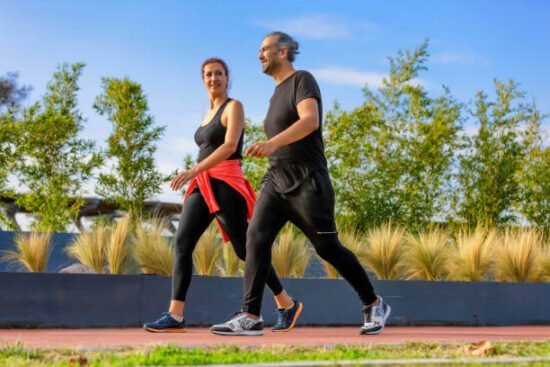
Race walking may sound like a simple sport at first glance but anyone who has witnessed it at an Olympic Games or World Championship knows how demanding it truly is. This discipline is not a casual walk in the park. It is a sport rooted in history, built on technique, and driven by endurance that pushes athletes physically and mentally. In this article, we explore why race walking stands as one of the most compelling tests of human stamina and perseverance.
The Heartbeat of Race Walking
At its core, race walking is a form of competitive walking that looks deceptively simple yet demands a strict technique. Unlike running, where both feet can leave the ground with each stride, race walkers must maintain continuous contact with the ground. The advancing leg must also remain straight from the moment it touches the ground until it passes directly underneath the body. This combination of requirements forces athletes into a movement pattern that places continuous and intense demands on the muscles and cardiovascular system.
This unique combination means that race walking blends aspects of walking and running in a way that challenges endurance in distinctive ways. Athletes need strength, flexibility, balance, and rhythm to maintain speed while satisfying the strict judging standards of the sport. The cardiovascular effort is not mild. Research shows that athletes can spend a high proportion of their race time at near maximal heart rate levels comparable to many running events, underscoring the intense effort required over distances ranging from a few kilometers to ultra distances.
A Sport Steeped in History
The sport we know today evolved from the popular pedestrian contests of the 19th century in Britain and the United States. Known as pedestrianism, these long-distance walking events drew crowds and betting wagers, sometimes lasting several days. The transition from these informal contests to structured competitive sport included the establishment of walking championships in England in the 1860s. By 1880, race walking had become part of the early framework of modern athletics.
Race walking first appeared on the Olympic stage in 1904, though at that time it was part of an all‑around athletics competition. By 1908, it had earned its place as a standalone event. Women’s race walking was introduced much later, becoming an Olympic event in 1992. Throughout the decades, distances featured in major championships have expanded, with athletes walking distances from 10 kilometers to 50 kilometers and beyond.
The Technique That Demands Endurance
Race walking may appear natural at a glance, but the performance technique is far more complex than everyday walking. The requirement of never losing contact with the ground, and maintaining a straightened leading leg, forces athletes into a gait that is fundamentally different from a simple walk or run. Judges closely monitor these elements throughout a race, and failure to maintain the required form can result in penalties or disqualification.
To move quickly under these rules, athletes learn to generate momentum through a combination of hip rotation, fast leg turnover, and strong upper body posture. This technique places significant demands on core muscles, hips, hips flexors, and lower back, which must continuously engage to sustain efficient motion over long distances. The result is a movement pattern that might look unusual but is optimized to balance speed and technique.
Endurance That Rival Any Running Event
What sets race walking apart as an endurance challenge is not merely the speed or distance but the physiological effort required. Heart rate studies have shown that race walkers operating in competition can spend a large portion of their race time at very high percentages of their maximal heart rates. This means their cardiovascular system is pushed to a level where the body works as hard as it does in many running events.
Consider the longer Olympic distances such as the 20 km or formerly the 50 km race walk. These distances require sustained effort over hours of competition. The biomechanics of the sport means that even though athletes are technically walking, the metabolic cost, energy expenditure, and muscle fatigue patterns are comparable to some of the most demanding endurance sports. Elite walkers often train for months to build endurance and technical efficiency, focusing on every aspect of physical conditioning from aerobic capacity to joint stability.
Mental Toughness Under Pressure
Endurance is not just about physical strength. In race walking, mental resilience is equally critical. Athletes must maintain their form even as fatigue sets in. The pressure of knowing that a single lapse in technique could lead to a penalty adds another layer of difficulty. Walkers have to focus not only on speed and pacing but also on flawless mechanics, race strategy, and adapting to changing environmental conditions like heat or wind.
Maintaining concentration for long hours on a race course while fighting muscle fatigue, dehydration, and the urge to slow down requires a deep level of mental discipline. It is a classic case of mind over matter, and many athletes describe the mental aspect as being just as demanding as the physical preparation.
Benefits That Extend Beyond Competition
While race walking is a serious competitive sport for elite athletes, it also offers notable health benefits for recreational athletes and fitness enthusiasts. Because it combines high cardiovascular intensity with lower impact on joints compared to running, race walking can be a powerful way to improve heart health, burn calories, and build muscle endurance without excessive strain on knees and hips.
Doctors and fitness professionals often highlight that walking faster than usual increases the benefits of aerobic exercise. Race walking takes that concept further by blending technique with performance. It can improve balance, coordination, and posture, and the long training sessions can help strengthen muscles that are often neglected in other forms of exercise. For many people looking for a challenging yet joint‑friendly workout, race walking serves as a compelling alternative.
World Stage and Global Appeal
Race walking may not always receive the same media attention as sprinting or marathon running, but it holds a respected place in international sport. Events like the World Athletics Race Walking Team Championships draw elite competitors from across the globe, showcasing the sport’s depth and diversity. Even though the 50 km race walk was discontinued at the Olympics after 2020 to make way for mixed‑gender relay events, race walking continues to evolve and inspire athletes worldwide.
The sport’s continued presence in global championships, long tradition, and expanding distance offerings reflect its enduring appeal. The discipline demands not only physical readiness but also strategic pacing and technical precision over extended courses, making it a test of both body and spirit.
Embracing the Endurance Challenge
If you are drawn to sports that test your limits and require a blend of strength, technique, and persistence, race walking has much to offer. Whether you are an aspiring athlete or someone seeking to elevate your fitness routine, the sport can push you far beyond the boundaries of casual exercise. Its rich history and unique demands make it a compelling testament to human endurance.
From the Victorian era’s footmen competing in long‑distance wagers to Olympians pacing themselves through grueling 20 km races, the journey of race walking stands as a celebration of human stamina. It remains a sport where every step counts, every stride is measured, and every finish line is earned through unwavering determination.
Race walking is much more than walking fast. It is a disciplined pursuit of endurance that challenges what the human body and mind can achieve, and it deserves recognition not just as an athletic event but as a powerful expression of perseverance and athletic spirit.
FAQs About Race Walking
1. What is race walking?
Race walking is a competitive sport where participants walk at a fast pace while adhering to strict rules, including keeping one foot on the ground at all times and maintaining a straight leg from contact to vertical position. It combines endurance, technique, and cardiovascular strength.
2. How is race walking different from regular walking?
Unlike regular walking, race walking requires specific techniques, such as keeping the leg straight and maintaining continuous ground contact. These rules make race walking more demanding and faster, challenging athletes to maintain form over long distances.
3. What are the typical distances in race walking events?
Race walking events range from shorter distances like 10 km to longer, more grueling distances, such as 20 km and 50 km. These distances test the walker’s endurance and technique over several hours of competition.
4. Can race walking be a good workout for beginners?
Yes, race walking is an excellent low-impact workout for beginners. It provides a full-body workout that improves cardiovascular health, builds muscle endurance, and strengthens bones without putting excessive strain on the joints.
5. Is race walking an Olympic sport?
Yes, race walking is an Olympic sport and has been part of the Games since 1904. It features both men’s and women’s events, with distances ranging from 20 km to 50 km, depending on the competition.
