


In today’s competitive retail landscape success is no longer just about offering quality products at good prices. What truly shapes sales performance is how products are presented, how easily customers can find them, and how the overall store experience feels. Retail merchandising solutions play a vital role in bringing all these elements together in a way that draws customers inside the store and directly influences their buying behaviour. These solutions help retailers to transform store environments so that every product speaks to the shopper in a meaningful way. When executed thoughtfully merchandising can be the difference between average performance and exceptional growth.
Retail merchandising solutions integrate physical product presentation with operational support systems and data tools that help retailers make smarter decisions about stock placement, inventory, pricing, and customer engagement. Today’s solutions are rooted in understanding consumer behaviour and aligning in‑store environments to meet those expectations. This article will explore how these solutions work, why they matter, and how they can significantly increase in‑store sales.
What Retail Merchandising Solutions Really Mean
Retail merchandising, at its core, refers to all the activities retailers use to present products so customers are encouraged to purchase them. It goes way beyond simply placing products on shelves. Merchandising solutions include strategic planning of store layouts, visual displays, pricing strategies, and ongoing evaluation of performance. In essence, merchandising solutions are designed to create inviting and intuitive shopping experiences where customers feel comfortable discovering and selecting products. This practice engages shoppers visually and emotionally, connecting them to the products they see and interact with in-store.
The full value of retail merchandising solutions comes from combining traditional presentation techniques with modern tools such as inventory systems and analytics platforms. These tools help retailers monitor product availability and assess what works best based on customer behaviour patterns. When products are presented in the right place, at the right time, and in the right way, customers are more likely to make purchases and even explore beyond their original shopping list.
How Presentation Shapes Customer Behaviour
Visual merchandising has a powerful psychological influence on shoppers. Customers are far more likely to make purchase decisions based on what they see and how products are displayed than on written descriptions or price tags alone. Research shows that thoughtful visual presentation can attract more shoppers and increase the likelihood they will stay longer in-store. Effective merchandising goes beyond aesthetics and taps into customer emotions, making shopping feel easier, more intuitive, and ultimately more rewarding.
Products that are organised neatly on shelves and displayed with clear signage draw attention and guide the shopper’s eye. A disorganised or confusing layout, on the other hand, can frustrate customers and reduce the chances of making a sale. By paying close attention to elements such as shelf position, lighting, and product grouping, retailers can influence which products customers notice first and how they navigate the store.
Visual merchandising also plays a role in creating a store’s brand identity. Uniform design sensibilities and coordinated displays help reinforce what the store stands for and how customers should feel about their experience. Strong visual identity makes it easier for customers to connect emotionally with a store’s offerings and can build preference and loyalty over time.
| Aspect | Details |
|---|
| Retail Merchandising Solutions | Key strategies that help retailers present products to increase customer interest. |
| Boost In-Store Sales | Focuses on driving sales through improved store environment and product presentation. |
| Customer Behavior Influence | How customers make buying decisions based on visual and emotional triggers. |
| Visual Merchandising Impact | Effective product display techniques that capture customer attention. |
| Data and Technology Integration | Use of data-driven tools and systems to optimize inventory and product placement. |
| Product Visibility & Accessibility | Ensuring products are placed in highly visible and accessible locations. |
| Store Layout Optimization | Optimizing the store layout to guide customer flow and highlight key products. |
| Customer Engagement Enhancement | Techniques to engage and keep customers interested during their shopping experience. |
| Sales Performance Tracking | Tracking metrics like sales per square foot and conversion rates to measure merchandising success. |
| Planogram Usage | Strategic placement of products based on sales data and customer visibility patterns. |
| Inventory Management | Managing stock levels and availability to ensure product accessibility at all times. |
| Effective Signage | Clear and informative signage to help customers navigate and make buying decisions. |
| Impulse Buying Strategies | Promoting complementary or impulse products through effective placement strategies. |
The Role of Data and Technology
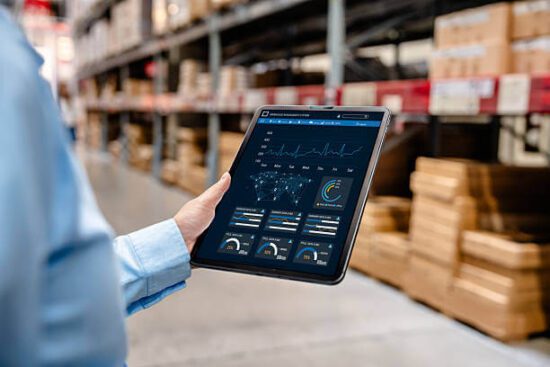
The adoption of technology in merchandising has changed how retail sales strategies are planned and executed. Modern retail merchandising solutions now include digital tools that help retailers monitor and evaluate merchandise performance across multiple stores. These tools can track which products are selling well, which displays are most effective, and how often stock needs replenishing based on real‑time customer behaviour and sales data. Making these insights available to store teams helps ensure merchandising decisions are backed by hard data rather than guesswork.
Retailers also use tools such as inventory management software to reduce stockouts and keep popular items available. When a product is in stock and visible, customers are more likely to purchase it. Inventory control systems help ensure that store shelves are stocked according to demand patterns and can even signal when items need restocking before customers notice they are missing.
Another key technological tool is the planogram. A planogram is a visual representation of where each product should be placed on store shelves to optimise visibility and sales potential. It helps standardise product placement across different store locations and makes sure that top‑selling or high-margin products are positioned in places where customers are most likely to notice them.
Integrating digital tools with merchandising practices also allows retailers to support omnichannel shopping experiences, where customers might browse online and purchase in-store or vice versa. These seamless experiences increase convenience and improve sales performance.
Improving Product Visibility and Accessibility
Increasing product visibility is a central goal of merchandising solutions. The way products are placed on shelves affects how customers respond to them. For example, products placed at eye‑level are more likely to be noticed and selected. Recognising this basic principle of human behaviour helps retailers shape displays that elevate their best offerings. Planograms help retailers determine ideal placement based on customer sight lines and buying trends.
Merchandising also considers the flow of the store. Shoppers tend to follow certain paths when navigating a space. This means that high‑traffic zones, such as aisle ends or near the entrance, are prime locations for promotional products or seasonal items that retailers want customers to notice right away. By understanding how customers move, retailers can create displays that guide shoppers naturally through the store and increase the chances of impulse buying.
Effective merchandising also includes grouping related products together so that customers are reminded of complementary items. For example, pairing coffee with related accessories or snacks can encourage additional purchases. This not only increases the sale of individual items but also increases the total value of each customer’s basket.
Enhancing Customer Engagement and Experience
Retail merchandising solutions are designed around the idea that customer experience comes before conversion. When customers enjoy the shopping experience, they are more likely to make purchases and return again in the future. This means merchandising must be customer‑centric, making products easy to find, providing clear product information, and creating visually inviting displays. When a store feels organised and comfortable, customers tend to stay longer and explore more.
Good merchandising also includes signage that not only points customers in the right direction but also educates them about product benefits or highlights promotions. Informative signs serve as silent sales associates, guiding customers and enhancing their confidence to buy.
Customer experience is also shaped by how products are presented relative to their expectations. When they find what they need quickly and feel encouraged to explore new options, they tend to feel satisfied with their visit. This positive experience increases the likelihood of repeat visits and builds long‑term loyalty.
Measuring Success of Merchandising Solutions
The effectiveness of retail merchandising solutions can be measured through a variety of performance indicators. One key measure is sales per square foot. This metric tells retailers how much revenue a particular area of the store generates. Higher sales per square foot usually indicate that merchandising strategies are effectively using space to attract and convert customers.
Conversion rate is another important indicator. It measures the proportion of visitors who make a purchase. Improvements in merchandising often lead to higher conversion rates because customers are more likely to find what they want and feel confident in their choices.
Average transaction value also provides insight into merchandising effectiveness. When merchandising encourages customers to explore related products or make impulse purchases, the average value of transactions tends to increase. This means customers spend more each time they visit.
Tracking these metrics over time allows retailers to refine their merchandising strategies. Instead of implementing one‑time changes, they can adjust displays continually to respond to customer behaviour and seasonal trends.
Real World Impact of Merchandising
Studies confirm that merchandising strategies do more than just make stores look attractive. Research in academic settings shows that well‑executed merchandising has a measurable impact on sales revenues. One study found that stores using merchandised displays significantly influenced customer behaviour, leading to increased revenue compared with stores that did not make use of these factors. The study highlighted the role of product arrangement, signage, colour, and overall presentation in driving customer purchases.
Visual merchandising specifically has been shown to increase foot traffic and encourage impulse purchasing by engaging customers at an emotional level. Displays that incorporate lighting, colour, themes, window arrangements, and sensory triggers contribute to stronger customer attraction and improved sales performance.
How to Get Started with Merchandising Solutions
For retailers looking to adopt merchandising solutions, the process begins with understanding their customers. Observing shopping patterns, listening to feedback, and analysing sales data provides the foundation for building effective merchandising strategies. From there, retailers can design displays that reflect product priorities, customer preferences, and seasonal trends. Utilizing tools like planograms, inventory systems, and performance metrics will support ongoing improvement.
Training staff to maintain displays and respond to customer needs is equally important. A well‑trained team reinforces merchandising plans and keeps execution consistent across different parts of the store. This leads to smoother operations and better overall performance.
Conclusion
Retail merchandising solutions are more than a collection of visual tricks. They are strategic frameworks rooted in customer behaviour and data insights. When retailers invest in merchandising, they create environments that invite customers to explore products, feel comfortable, and make purchasing decisions. This leads to measurable improvements in sales conversion, average transaction value, and customer loyalty.
By combining traditional presentation techniques with modern technology, retailers can optimise product placement, track performance continuously, and respond to customer preferences with agility. In a world where the in‑store experience still matters, merchandising solutions remain essential to boosting sales and building deeper connections with shoppers.
