


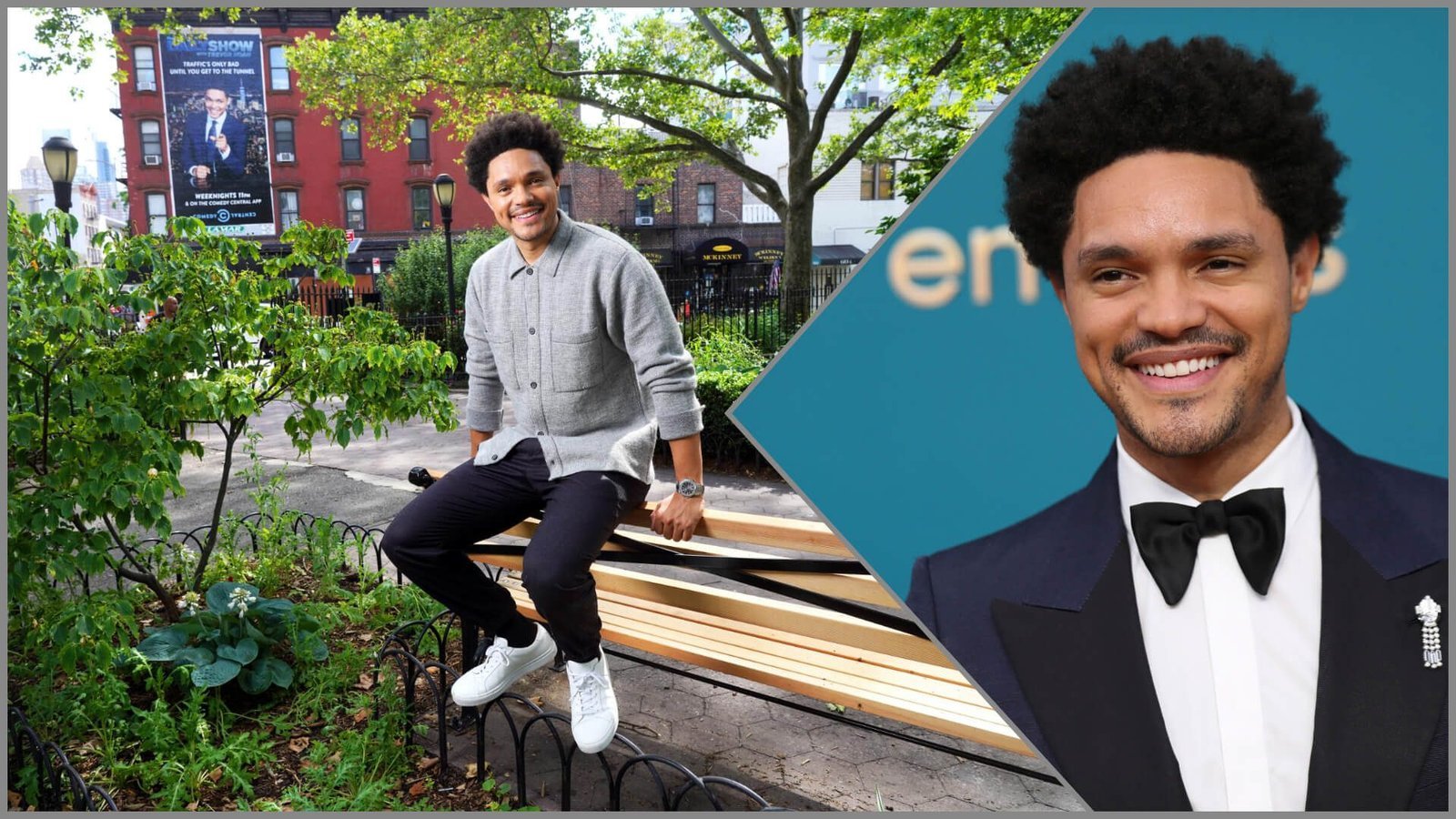
Trevor Noah was born in Johannesburg, South Africa in 1984. His early life was shaped by the oppressive laws of apartheid, which made his existence a complex challenge due to his mixed-race heritage. His journey from these beginnings to global fame is remarkable.
Trevor’s life reflects a blend of resilience, intelligence, and humor. He transformed early adversity into insight, using personal experience as the foundation for comedy and storytelling. His career spans stand-up, television, literature, and philanthropy, making him a globally recognized cultural figure.
Early Life in South Africa
Trevor Noah’s childhood unfolded under the final years of apartheid, a system enforcing racial segregation and inequality. His mother, Patricia, was Xhosa, and his father, Robert, was Swiss-German. Their relationship was illegal under apartheid laws, making Trevor’s birth a dangerous secret.
Living in Soweto, his family had to navigate systemic restrictions and constant societal scrutiny. His early environment was marked by both danger and vibrancy, exposing him to diverse cultures and languages. These early experiences shaped his understanding of identity and the social world.
Patricia played a central role in his upbringing. She instilled values of resilience, independence, and curiosity. Trevor’s relationship with his mother and grandmother provided both discipline and affection, shaping his moral framework and teaching him the importance of courage and self-expression.
| Attribute | Details |
|---|---|
| Full Name | Trevor Noah |
| Date of Birth | 20 February 1984 |
| Age | 42 years (2026) |
| Place of Birth | Johannesburg, South Africa |
| Nationality | South African |
| Parents | Patricia Nombuyiselo Noah (mother), Robert Noah (father) |
| Siblings | Two half-brothers: Andrew and Isaac Shingange |
| Height | 5 ft 11 in (≈180 cm) |
| Occupation | Comedian, Television Host, Author |
| Notable Work | The Daily Show, Born a Crime |
| Philanthropy | The Trevor Noah Foundation |
| Languages | English, Xhosa, Zulu, Sotho, Tswana, Afrikaans |
Finding Voice Through Culture and Comedy
The end of apartheid brought new opportunities and challenges for Trevor. Exposure to multiple languages and cultures sharpened his awareness of communication Trevor Noah nuances. He quickly learned humor could bridge differences and make difficult topics relatable.
During his teens, he began experimenting with performance. Encouraged by friends, Trevor tried stand-up comedy, drawing material from his own experiences. His humor blended personal storytelling with keen social observation, resonating deeply with audiences and hinting at his future potential.
This period was crucial in forming his comedic identity. By observing social dynamics in his township and school, Trevor honed a style that could entertain while offering insightful commentary. This skill would later define his global appeal.
Rise in South African Entertainment
Trevor Noah’s early career in South Africa was diverse and ambitious. He appeared on television and radio, hosted shows, and performed stand-up that quickly gained popularity. These experiences helped him refine his craft and expand his audience.
His 2009 solo show, The Daywalker, marked a breakthrough. The performance showcased his ability to combine humor with cultural critique, winning critical acclaim and establishing him as a rising star in South African comedy.
Television and radio appearances complemented his stage work. Hosting various programs broadened his public profile and allowed him to experiment with different formats, sharpening his skills in storytelling, timing, and audience engagement.
Breaking into the International Scene
Trevor Noah moved to the United States to pursue global opportunities. His unique perspective quickly attracted attention, leading to his role as Senior International Correspondent on The Daily Show in 2014. This platform introduced him to international audiences.
In 2015, he succeeded Jon Stewart as host of The Daily Show. At 31, he became the first African to host the show. His multicultural perspective and humor brought a fresh voice to political satire, balancing wit with incisive social commentary.
Trevor also performed internationally. Stand-up specials like Lost in Translation, Afraid of the Dark, and Son of Patricia showcased his ability to discuss identity, politics, and culture. His performances connected personal experience to global issues, making his comedy universally resonant.
Literary Success and Born a Crime
In 2016, Trevor released Born a Crime, a memoir about his childhood in South Africa. The book details the dangers, humor, and resilience of growing up mixed-race under apartheid, providing a vivid account of family, identity, and society.
The memoir was praised for its honesty and emotional depth. It is more than celebrity storytelling; it offers insights into historical injustice, personal growth, and the power of humor as a tool for understanding and survival.
Through writing, Trevor expanded his influence. The book reinforced his voice as a storyteller capable of blending comedy, culture, and social reflection, resonating with both young readers and adult audiences worldwide.
Stage Presence Beyond Television
After leaving The Daily Show in 2022, Trevor continued engaging audiences through stand-up tours, podcasts, and television appearances. His comedy remained rooted in observation and personal experience, allowing him to discuss complex topics with clarity and relatability.
He also hosted the Grammy Awards multiple times, demonstrating versatility beyond stand-up and television. His appearances combined humor with insight, reflecting his broad appeal across entertainment mediums and solidifying his status as a cultural icon.
Trevor’s global stage presence highlights his skill in connecting diverse audiences. His humor consistently balances entertainment with reflection, encouraging viewers to think critically about social and cultural issues.
Philanthropy and Giving Back
Trevor Noah established The Trevor Noah Foundation in 2018. The organization focuses on youth education and empowerment in South Africa, aiming to improve access to learning opportunities and skills development for underprivileged children.
The foundation supports schools and leadership programs, targeting systemic inequality and encouraging social mobility. Trevor’s philanthropic work reflects his belief that education is essential for personal and societal transformation.
Through his foundation, he connects his public influence to tangible action, demonstrating a commitment to creating meaningful change and giving back to the communities that shaped his early life.
Legacy and Influence
Trevor Noah’s journey from Soweto to global stages exemplifies resilience and human potential. His comedy, writing, and advocacy demonstrate that personal struggle can be transformed into insight, connection, and influence.
His ability to traverse cultural and national boundaries with humor and empathy sets him apart. He uses his platform to encourage understanding, dialogue, and reflection, combining entertainment with a profound social conscience.
Trevor’s story inspires audiences worldwide, showing that humor, determination, and courage can overcome adversity. His work continues to engage, entertain, and enlighten, leaving a lasting impact on comedy and society.
Conclusion
Trevor Noah’s life is a testament to resilience, talent, and vision. From his early struggles under apartheid to becoming a global entertainer and advocate, he exemplifies how personal experience, insight, and humor can shape extraordinary achievement.
FAQs about Trevor Noah
Who is Trevor Noah?
Trevor Noah is a South African comedian, author, and former host of The Daily Show. He is known for blending humor with social commentary and sharing personal experiences shaped by his childhood in South Africa.
What is Trevor Noah famous for?
He gained international fame as the host of The Daily Show and for his stand-up specials. His memoir, Born a Crime, also made him widely recognized for storytelling that mixes humor with cultural insight.
Where did Trevor Noah grow up?
Trevor grew up in Johannesburg, in the township of Soweto. His early life was marked by the challenges of apartheid, living in a racially segregated society as a mixed-race child.
What are some of Trevor Noah’s achievements?
He has hosted major award shows, performed internationally, written a bestselling memoir, and established The Trevor Noah Foundation to support education and youth empowerment in South Africa.
How did Trevor Noah become successful?
His success comes from combining personal storytelling, multilingual humor, and social observation. Early experiences with adversity shaped his perspective, which he transformed into comedy, writing, and global media work.
