


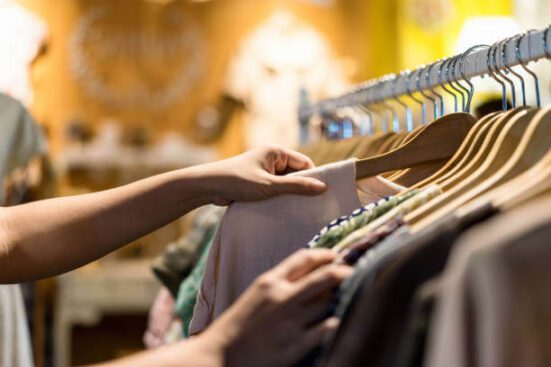
What is Fashion Merchandising? The Backbone of Fashion Retail – Fashion is one of the most visible cultural forces in the world. It influences how we express our identity and reflects shifts in society, culture, and economy. Behind the clothing racks, the trendy window displays, and the perfect online storefronts lies an intricate system that ensures fashion trends reach consumers at the right moment. That system is fashion merchandising. Although often overlooked by shoppers, fashion merchandising is the backbone of fashion retail because it connects designer creativity with consumer demand and retail business strategy in a way that drives both style and sales.
Fashion Merchandising Defined
Fashion merchandising is the strategic process of planning, buying, presenting, and selling fashion products to the right customers at the right time and price with the aim of maximizing profitability. It sits at the intersection of creativity and business and requires a deep understanding of consumer behaviour, trend forecasting, inventory management, visual presentation, and retail operations. It is not simply about buying clothes to put on a shelf. Instead, it involves a thoughtful blend of analysis and aesthetic sense so that products resonate with consumers and achieve commercial success.
The Essence of the Merchandising Role
A fashion merchandiser’s job is to shape the product assortment a brand offers and to ensure that customers find those products appealing and accessible when they are ready to make a purchase. This involves anticipating consumer demand, planning appropriate stock levels, and crafting a presentation that makes products irresistible. Merchandisers work with designers, buyers, suppliers, retailers, and marketing teams to create a seamless journey from concept to consumer purchase.
Product Planning and Trend Forecasting
One of the most fundamental aspects of fashion merchandising is anticipating what customers will want in the future. Trend forecasting allows merchandisers to look ahead and determine which styles, fabrics, colours, and design elements will capture consumers’ interest in upcoming seasons. Forecasting combines data analysis, market research, cultural observations, and creative intuition to help brands stay relevant and ahead of competitors. Accurate forecasting reduces waste, ensures inventory aligns with demand, and enhances profitability.
Understanding fashion trends also means acknowledging that trends are constantly evolving. A successful merchandiser keeps a pulse on the industry by monitoring global markets, consumer behaviours, runway shows, and cultural movements. When done well, forecasting becomes a powerful tool that not only predicts what will be popular but also shapes consumer expectations and buying patterns.
Consumer Insight and Market Research
Fashion merchandisers study consumers in detail. This includes understanding what shoppers want, when they want it, and how much they are willing to pay. Market research may involve analysing sales data, tracking demographic shifts, and observing emerging lifestyle trends. Through this insight, merchandisers make informed decisions about which products to stock and which strategies will yield the best results. Retail is no longer a one-size-fits-all business and tailoring offerings to specific audiences is essential for success.
Buying and Inventory Management
Merchandising also encompasses buying the right products and managing inventory effectively. Merchandisers forecast demand for products and work closely with suppliers or internal design teams to source products that meet that demand. They calculate how many units are needed, negotiate favourable terms, schedule timely deliveries, and ensure that stock levels remain balanced to avoid shortages or excess. Effective inventory management is crucial because it directly impacts profitability. Too little stock can frustrate customers and result in lost sales while too much inventory can lead to markdowns and reduced profits.
Pricing Strategy and Profitability
Pricing is another critical area in fashion merchandising. Setting prices requires careful consideration of production costs, competitor pricing, consumer expectations, and overall market conditions. A well-thought-out pricing strategy ensures that products remain appealing while still achieving profit targets. Merchandisers use a combination of analytical skills and market understanding to strike this balance. Pricing decisions influence consumer perception of value and ultimately affect sales performance.
Visual Presentation and Store Experience
Fashion merchandising is not limited to numbers and analysis. The way products are displayed is equally significant. Visual merchandising involves arranging products in physical stores or online spaces in ways that highlight their appeal and tell a compelling story. This includes thoughtful layout of store floors, coordinated colour schemes, attractive window displays, and strategic placement of key items. Effective visual merchandising draws customers into the space, encourages interaction with products, and enhances the overall shopping experience.
Visual presentation influences how customers feel when they interact with a brand. A meticulously curated store or an engaging online display can create emotional connections that go beyond mere transactions. These experiences strengthen brand loyalty and distinguish one retailer from another in a crowded market.
Collaboration Across the Fashion Chain
Fashion merchandising does not happen in isolation. Merchandisers collaborate with designers to ensure that products will appeal to the intended customer base. They work with buyers to determine which items should be purchased and how much should be stocked. They coordinate with marketing teams to build promotional campaigns that support sales goals. This collaborative approach ensures that every touchpoint in the fashion process is aligned and working toward a cohesive strategy.
The Strategic Backbone of Retail
Fashion merchandising is often described as the backbone of fashion retail because it influences virtually every decision that brings products to market and makes them desirable. Without effective merchandising, even the most beautiful designs may never reach customers or achieve expected sales. Merchandising bridges the gap between creative design and business outcomes by translating fashion trends into profitable retail strategies.
Merchandisers are responsible for ensuring that the right merchandise is available at the right time, at the right price, and in the right quantities for customers. This principle, often called the Five Rights of Merchandising, is the foundation of successful retail operations. When the Five Rights are met, brands can improve customer satisfaction and financial performance.
Creating Customer Value and Brand Identity
Fashion merchandisers also play a role in shaping how consumers perceive a brand. Through careful selection, pricing, and presentation of products, merchandisers craft an identity that resonates with target customers. The products chosen, the stories told through visual displays, and the overall shopping experience all contribute to a brand’s image in the marketplace. A clear, customer-focused merchandising strategy strengthens a brand’s presence and builds trust with shoppers.
Merchandising efforts often aim to connect emotionally with customers. Rather than pushing products on shoppers, effective fashion merchandising creates an environment where customers feel understood and valued. This leads to deeper engagement with the brand, repeat visits, and loyal relationships that drive long-term success.
Adapting to Digital and Omnichannel Retail
The rise of e-commerce and digital technologies has expanded the scope of fashion merchandising. Today’s merchandisers must integrate physical and online experiences to create seamless omnichannel retail strategies. Online product displays, user-friendly interfaces, personalised recommendations, and digital marketing efforts all form part of modern merchandising. As consumers increasingly shop across platforms, the ability to offer consistent, engaging experiences both in-store and online is essential.
Digital tools also provide merchandisers with rich data that can enhance decision-making. Analytics can reveal customer preferences, purchasing patterns, and emerging trends with greater precision. This level of insight helps merchandisers refine their strategies and respond quickly to changing consumer behaviour.
Challenges in the Modern Fashion Landscape
The fashion industry is fast-paced and constantly evolving. Merchandisers must navigate challenges such as fluctuating consumer tastes, economic shifts, and supply chain complexities. The ability to forecast accurately and respond to market disruptions is vital. In recent years, brands have faced growing pressure to balance inventory levels with sustainability goals, reducing waste while maintaining choice for customers. Predictive analytics and advanced inventory systems are helping some brands strike this balance effectively.
Economic uncertainty and competition make merchandising an increasingly strategic discipline. Retailers with strong merchandising capabilities are better equipped to adapt to market changes and outperform competitors. The role of the fashion merchandiser will continue to expand as technology reshapes the industry and consumer expectations evolve.
Conclusion
Fashion merchandising is far more than a backstage function in the industry. It is a dynamic blend of innovation, strategy, and deep market understanding that ensures fashion products reach consumers in ways that inspire, satisfy, and delight. As the backbone of fashion retail, merchandising plays a crucial role in shaping trends, guiding buying decisions, enhancing customer experiences, and driving profitability.
In an industry defined by change, the insights and decisions of fashion merchandisers are essential to the success of brands and retailers alike. If you enjoy fashion and have a passion for both creativity and business, exploring the world of fashion merchandising could open doors to a vibrant and impactful career in the heart of the fashion industry.
