


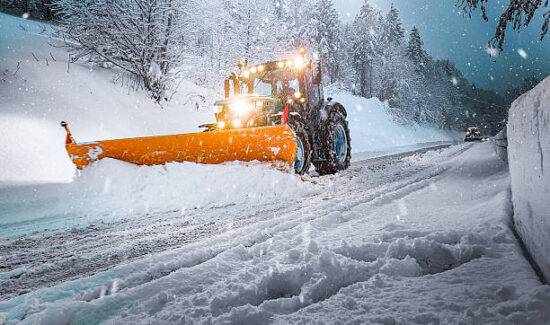
Winter Storm Blair is sweeping across the United States, bringing significant snowfall and icy conditions that are expected to impact millions of people. As the storm progresses, meteorologists have been keeping a close watch on its path and intensity. The latest snowfall forecasts provide crucial insights into which regions will be hit the hardest and what individuals and communities can expect in the coming days.
Understanding Winter Storm Blair
Winter Storm Blair is the latest in a series of intense winter storms that have struck the United States this season. What makes this storm particularly notable is its size, strength, and the timing of its arrival, which comes at a time when many regions are already struggling with colder-than-usual conditions. Winter storms like Blair are caused by a combination of low pressure systems, cold air, and moisture in the atmosphere, which come together to produce heavy snow, freezing rain, and strong winds.
The storm is expected to affect a large portion of the country, from the Southern states all the way to the Northeast. What sets Blair apart from other winter storms is its ability to bring such diverse weather conditions. In some areas, residents will face several feet of snow, while in others, ice accumulation and freezing rain will be the primary threats. For regions in the path of the storm, the snowstorm is a reminder of the power of nature and the importance of preparing for severe weather.
Projected Snowfall Across the United States
As Winter Storm Blair makes its way through the country, the snowfall forecast has become a central point of focus. According to the latest reports, the storm will bring heavy snow to several key regions, with some areas expected to see more than a foot of snow. In the Northeast, cities like New York, Boston, and Philadelphia are bracing for a major snow event. Snowfall totals in these cities could range from 6 to 12 inches, with higher amounts in the surrounding suburbs and rural areas.
The Midwest is also feeling the brunt of the storm, with places like Chicago, Detroit, and Cleveland preparing for significant snow accumulation. These areas are no strangers to winter weather, but the intensity and volume of snow expected from Winter Storm Blair are enough to disrupt daily life. In the Midwest, snowfall totals of 8 to 14 inches are possible, with areas near the Great Lakes potentially seeing higher totals due to lake-effect snow.
As the storm moves further south, it will bring snow to regions that don’t typically experience significant winter weather. States like Texas, Oklahoma, and Arkansas are expecting snowfall that could exceed 6 inches in some areas. This is particularly concerning for communities that are not equipped to handle snow and ice, as even a few inches of snow can cause dangerous road conditions and power outages. While Southern states may not see the same snow totals as the Northeast or Midwest, the storm will still create hazardous conditions for drivers and residents.
The timing of the storm is also a critical factor in the snowfall forecast. Many areas can expect the heaviest snow to fall during the evening and overnight hours, which could lead to dangerous conditions on roads and highways. The storm’s movement means that by the time some areas begin to dig out of the snow, other regions will already be dealing with the same wintery conditions.
Factors Influencing Snowfall and Intensity
The severity of Winter Storm Blair’s snowfall is being influenced by several key factors, which meteorologists are closely monitoring. One of the most important factors is the moisture content in the atmosphere. For heavy snow to occur, the storm must have a sufficient amount of moisture, which can be absorbed by the cold air and released as snowflakes. The stronger the storm, the more moisture it can carry, leading to greater snowfall totals.
Temperature plays a critical role in determining whether precipitation will fall as snow, sleet, or freezing rain. If temperatures are just below freezing, areas could see a mix of snow and ice, which can cause hazardous travel conditions. On the other hand, colder temperatures will ensure that snow accumulates on the ground. As Winter Storm Blair moves through the country, temperatures will fluctuate, leading to varying types of precipitation depending on the region.
Wind is another important factor that influences the storm’s impact. In areas where snow falls heavily, wind gusts can cause blowing and drifting snow, making it difficult for snowplows to clear the roads. The combination of snow and wind will lead to reduced visibility and hazardous conditions for travelers. Additionally, the strong winds associated with Winter Storm Blair could lead to power outages, particularly in areas where trees or power lines are weighed down by the heavy snow.
Regions Most Affected by the Storm
Winter Storm Blair’s path covers a vast portion of the United States, and certain regions are expected to experience the worst impacts. The Northeast, which is no stranger to winter storms, will see significant snowfall, with cities like New York, Boston, and Philadelphia at the center of the storm’s reach. While these cities are used to snow, the intensity of Blair’s storm could still cause significant disruptions to daily life, including school closures, flight delays, and hazardous road conditions.
In the Midwest, major cities like Chicago, Detroit, and Cleveland are facing a similar threat. With snow totals of up to a foot or more in some areas, these cities are preparing for significant disruptions. Travel will be the biggest challenge, with roads potentially becoming impassable and public transportation systems facing delays.
The South will see its own set of challenges, as states like Texas, Oklahoma, and Arkansas are not typically prepared for snowstorms of this magnitude. Even a few inches of snow can cause major problems in these areas, as snowplows and other snow removal equipment are not as prevalent as in the northern parts of the country. Drivers in the South should be particularly cautious, as icy conditions can form quickly and unexpectedly.
Preparing for Winter Storm Blair
As with any major winter storm, preparation is key to staying safe during Winter Storm Blair. For those in the storm’s path, it’s essential to have an emergency kit stocked with necessities such as food, water, medications, and blankets. Keeping a battery-powered flashlight and extra batteries is also important in case of power outages.
For those who must travel, it’s vital to have an emergency car kit that includes a shovel, blankets, extra clothing, and a first aid kit. If possible, it’s best to avoid traveling during the storm, especially in areas where snow and ice are expected to accumulate quickly. If you must travel, make sure your vehicle is winter-ready with snow tires and sufficient fuel.
At home, ensure that your heating system is working properly and that you have a backup heating source, such as a space heater or extra blankets, in case of a power outage. Keep pipes insulated to prevent them from freezing, and make sure to clear walkways of snow and ice to prevent slips and falls.
After the Storm: What to Expect
Once Winter Storm Blair has passed, the recovery process will begin. In regions hardest hit by the snow, snow removal will take priority, and residents can expect delays in clearing roads and sidewalks. In some areas, snowplows may take longer to reach smaller streets, so it’s important to stay patient and allow time for cleanup.
Even after the snow stops falling, travel disruptions may persist. Airports may face delays as they work to clear runways, and some areas may remain difficult to access due to deep snow or ice. It’s important to stay updated on local news and weather reports to understand when conditions will improve.
The aftermath of a winter storm like Blair can also lead to additional challenges, such as freezing temperatures that can cause pipes to burst or damage to roofs from the weight of the snow. It’s important to take care when venturing outside after the storm and to monitor your home for any signs of damage.
Conclusion
Winter Storm Blair has the potential to disrupt daily life across a large portion of the United States, from the Northeast to the South. With its strong winds, heavy snow, and icy conditions, the storm is a reminder of the power of nature and the importance of being prepared. By staying informed about the latest snowfall forecasts and taking the necessary precautions, individuals and families can stay safe during this intense winter event. Keep an eye on weather updates and be ready to adjust your plans as the storm progresses.
Whether you’re in the path of Winter Storm Blair or simply watching from afar, understanding the forecast and preparing for the worst can make all the difference. Stay safe, stay warm, and be ready for what’s to come.
FAQs
What is Winter Storm Blair?
Winter Storm Blair is a powerful weather system impacting the United States, bringing heavy snowfall, freezing rain, and cold temperatures. The storm is affecting multiple regions, from the Northeast to the South, with varying snow and ice amounts depending on the location.
How much snow will Winter Storm Blair bring?
Snowfall totals vary by region, with some areas in the Northeast and Midwest expecting up to a foot or more of snow. Southern states, such as Texas and Arkansas, are also seeing snow, though the amounts are generally lighter.
When will Winter Storm Blair hit my area?
The timing of the storm varies by location. Generally, the heaviest snow is expected to fall in the evening and overnight hours, with some regions experiencing storm impacts for several days.
How should I prepare for Winter Storm Blair?
Make sure to stock up on essentials like food, water, and medications. Prepare your home by insulating pipes and ensuring your heating system is working. If traveling, ensure your car is equipped with emergency supplies and avoid unnecessary travel during the storm.
Will Winter Storm Blair cause power outages?
Yes, the storm has the potential to cause widespread power outages, especially in areas with heavy snow or ice accumulation. It’s crucial to have backup lighting and heating options, as well as a fully charged phone, in case of outages.
