


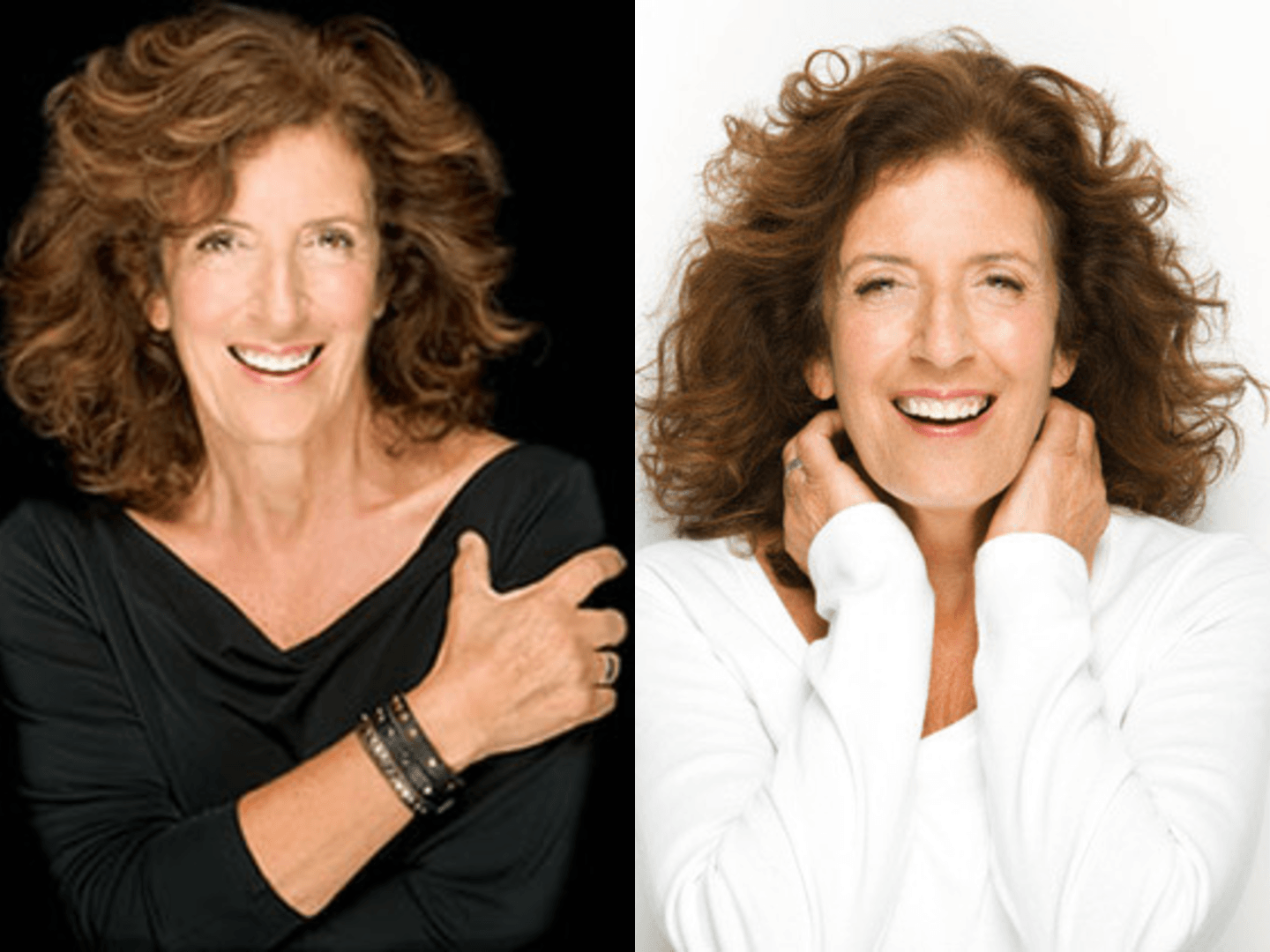
Anita Roddick died on September 10, 2007, at the age of 64. The founder of The Body Shop passed away at St Richard’s Hospital in Chichester, West Sussex, after suffering a major brain haemorrhage . Her husband Gordon and daughters Sam and Justine were by her side when she died at 6:30 pm that evening .
Roddick had been admitted to the hospital the previous evening after collapsing at home with a sudden headache . She was taken to the intensive care unit, but her condition deteriorated rapidly. The family confirmed the cause of death in a statement released that night, describing the haemorrhage as “major” .
The news came just seven months after Roddick publicly disclosed that she had been living with hepatitis C for decades . She revealed in February 2007 that she had contracted the virus through a blood transfusion received in 1971, during the birth of her youngest daughter, Sam . The infection had silently progressed to cirrhosis of the liver, a long-term consequence of the disease .
Roddick spoke candidly about her diagnosis, framing it as a call to action rather than a private tragedy. “Having Hep C means that I live with a sharp sense of my own mortality, which in many ways makes life more vivid and immediate,” she said at the time . She became a patron of the Hepatitis C Trust and campaigned for greater public awareness and funding for what she called a “public health challenge” .
Her health had been a subject of concern in the months before her death. In July 2007, she told the BBC that she had experienced “some tiny heart attacks” and could not undergo standard treatment because her particular strain of the virus, combined with cirrhosis, made her unlikely to respond . She approached her illness with characteristic pragmatism, describing it as “a bit of a bummer” while refusing to be defined by it .
Born Anita Perilli in Littlehampton, Sussex, on October 23, 1942, she was the daughter of Italian-Jewish immigrants who ran a café . After training as a teacher, she worked in various ventures before opening the first Body Shop in Brighton in 1976 . The shop sold just 15 natural products, but its ethos of ethical sourcing and cruelty-free beauty was radically out of step with the cosmetics industry of the time .Quick Bio: Anita Roddick
That modest green storefront grew into a global retail phenomenon. By the early 1990s, few British high streets lacked a Body Shop branch . Roddick stepped down as co-chair in 2002 and later saw the company acquired by L’Oréal in a deal worth £652m in 2006 . She had vowed to give away half of her £100m fortune, declaring: “I don’t want to die rich” .
Her influence extended well beyond commerce. The Body Shop was among the first major retailers to ban animal testing in its products and to champion fair trade with suppliers in developing countries . Roddick used the brand as a platform for campaigns on environmental issues, human rights and body image, long before corporate activism became a marketing norm. The company’s own history notes that its approach was “ahead of the curve” when it launched, with “profit and principles working in harmony” .
Tributes poured in from across the worlds of business, politics and activism. Elizabeth May, then leader of the Green Party of Canada, described Roddick as “a vital woman” whose death would be felt “throughout many organizations, from Body Shop to Greenpeace” . The BBC’s obituary noted that she was “one of the most celebrated yet controversial figures of her generation in business and public life” .
Roddick’s death at 64 came just weeks before her 65th birthday. In the years since, her legacy has been sustained through the ongoing campaigns of The Body Shop and the charitable causes she supported. The hepatitis C awareness work she began in her final months continued to resonate, with her disclosure encouraging others to seek testing for a virus that often produces no symptoms for decades .
For a woman who built an empire on the idea that business could be a force for good, her final public act was consistent with that philosophy. She chose to speak openly about her illness, not to invite sympathy, but to demand that a neglected disease receive the attention she believed it deserved. Anita Roddick died as she had lived: insistently, purposefully, and on her own terms.
When did Anita Roddick die and what was the cause?
Anita Roddick died on September 10, 2007, at the age of 64. The cause was a major brain haemorrhage. She passed away at 6:30 pm at St Richard’s Hospital in Chichester, West Sussex.
Was Anita Roddick ill before her death?
Yes. In February 2007, Roddick publicly revealed she had hepatitis C, which she contracted from a blood transfusion in 1971. The long-standing infection had led to cirrhosis of the liver. She spoke openly about the condition to raise awareness and worked with The Hepatitis C Trust.
Who was with Anita Roddick when she died?
Her husband Gordon Roddick and her two daughters, Sam and Justine, were by her side at the hospital. She had been admitted the previous evening after collapsing with a severe headache.
What was Anita Roddick best known for?
She founded The Body Shop in Brighton in 1976. The company became globally known for its ethical approach, including banning animal testing in its products and championing fair trade with suppliers in developing countries.
